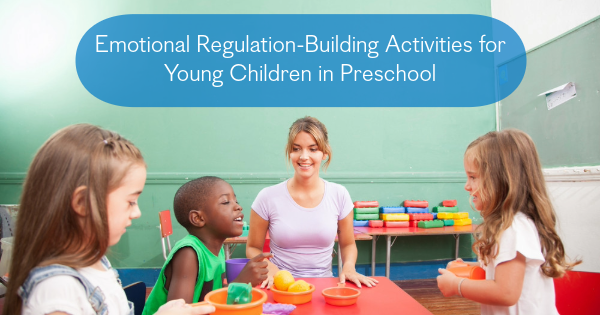
Preschool years are a crucial time for young learners as they learn foundational skills that will serve them throughout their lives. In these formative years, children begin to understand how to interact with others, express themselves, and develop a sense of empathy. These skills not only contribute to their personal development but also lay the groundwork for academic success and future interpersonal relationships. Emotion regulation-building activities for young children during preschool can greatly enhance their social competence and prepare them for the social dynamics of school and beyond.
Structured Play
One of the most effective ways to build interpersonal skills in preschoolers is through structured play. Activities such as group games and role-playing allow preschoolers to engage with peers in a controlled setting where they can practice cooperation and negotiation. By navigating rules and taking turns, children learn the importance of compromise and teamwork. According to Gitnux, children who attend preschool are 24% less likely to drop out of high school, highlighting the long-term benefits of early socialization experiences. These activities help foster a sense of belonging and community among young learners.
Storytime
Storytime is another powerful tool for cultivating emotional regulation, as it encourages listening and comprehension skills in young learners. When teachers read books aloud, young learners are exposed to diverse perspectives and emotional scenarios. This exposure helps them develop empathy and understanding of different social situations. Engaging preschoolers in discussions about the story promotes expressive language skills and allows them to articulate their thoughts and feelings. Thus, storytime becomes more than just a reading exercise; it turns into a bridge connecting young minds to the broader world around them.
Communication Activities
Preschool teachers can also incorporate activities that focus on emotional regulation and expression. Teaching preschoolers to recognize and communicate their emotions can prevent frustration and foster a healthy emotional environment. Activities like identifying emotions through facial expressions or using puppets for storytelling can provide little ones with the vocabulary and confidence needed to express themselves effectively.
Incorporating emotional regulation-building activities for young children in preschool is essential for nurturing well-rounded, empathetic individuals. Structured play, storytime, and emotional expression exercises lay the groundwork for essential social and emotional development. As little ones learn these skills early on, they are better prepared not only for the classroom but also for lifelong success in their educational and personal pursuits.