Early childhood education plays an important role in shaping how children learn, communicate, and interact with the world around them. During these formative years, children develop foundational skills that influence their academic progress, emotional well-being, and social relationships. Finding an educational environment that recognizes each child’s individual needs can make a meaningful difference in their development.
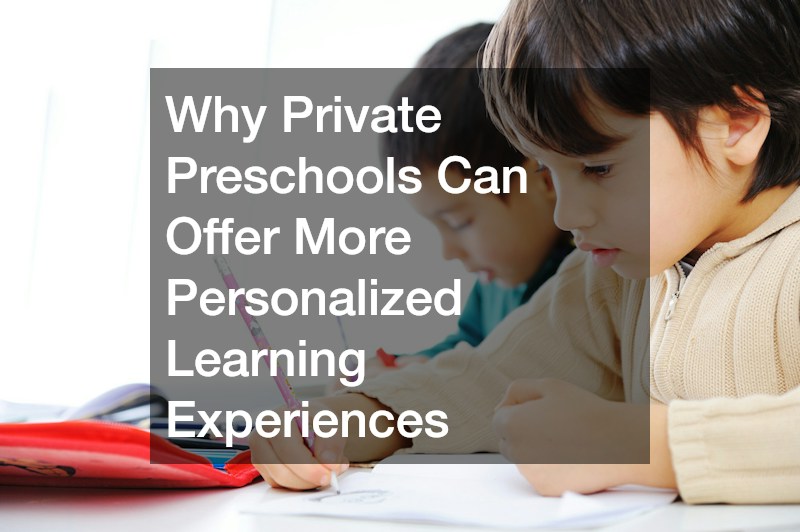
A private preschool may offer families opportunities for personalized learning through flexible teaching methods, individualized attention, and carefully designed educational programs. By recognizing that children develop at different rates and have unique interests, educators can create meaningful learning experiences that encourage curiosity, confidence, and independence.
Encouraging Individualized Attention
One of the potential advantages of private preschools is their ability to provide individualized attention. Some institutions maintain smaller class sizes or lower student-to-teacher ratios, allowing educators to spend additional time understanding each child’s abilities, interests, and developmental needs.
With fewer students to supervise, teachers may have more opportunities to observe learning patterns, identify emerging strengths, and recognize areas requiring additional support. This individualized approach allows educators to adjust activities and provide guidance based on each student’s progress.
For example, a child who demonstrates an early interest in reading might receive additional opportunities to explore books, while another who enjoys building activities could engage in projects that strengthen spatial reasoning and problem-solving skills.
Adapting Teaching Methods to Different Learning Styles
Children absorb information through various experiences, including movement, exploration, observation, and hands-on activities. An effective early childhood curriculum recognizes these differences and provides multiple ways for students to engage with educational material.
Private preschools may have greater flexibility in selecting teaching approaches and incorporating specialized educational philosophies. Some programs emphasize Montessori principles, while others focus on play-based learning, creative exploration, or structured academic preparation.
Rather than expecting every child to complete identical activities at the same pace, teachers can introduce different materials and instructional techniques that support individual development.
This adaptability helps children participate in learning experiences that align with their abilities while gradually introducing new challenges.
Supporting Social and Emotional Development
Personalized education extends beyond academic instruction. Young children are also learning how to identify emotions, communicate their needs, establish friendships, and navigate unfamiliar situations.
Teachers who understand individual personalities can provide guidance that reflects each child’s emotional development.
A student who feels uncomfortable participating in group activities might benefit from gradual introductions to collaborative play. Meanwhile, a child who struggles with frustration may need additional encouragement and opportunities to practice emotional regulation.
By responding thoughtfully to these differences, educators can help children develop confidence, empathy, and communication skills that support future relationships.
Creating Flexible Learning Opportunities
A flexible curriculum allows educators to respond to children’s emerging interests and introduce activities that make learning more engaging.
For instance, if several students become fascinated by insects, teachers might incorporate nature walks, counting activities, books, and creative projects into a broader exploration of the natural world.
These experiences connect academic concepts with subjects children already find interesting.
A private preschool with curriculum flexibility may also provide enrichment opportunities involving music, art, language development, or outdoor education.
When teachers can modify activities according to student interests, children have more opportunities to explore their surroundings and develop a positive relationship with learning.
Strengthening Communication With Families
Consistent communication between parents and educators is another important component of personalized early childhood education. Families provide valuable insight into their children’s interests, routines, personalities, and developmental milestones.
Regular conversations allow teachers to understand how children behave in different environments and identify approaches that support their development.
Some schools offer individual progress reports, parent-teacher conferences, and opportunities for families to participate in classroom activities.
These connections can create greater consistency between home and school, helping children feel supported as they develop new skills.
Recognizing Developmental Milestones
Children reach developmental milestones at different times. Some demonstrate advanced language abilities early, while others develop strong motor skills or social confidence first.
Educators who regularly observe students can recognize these differences without placing unnecessary pressure on children to progress at identical rates.
Individualized activities can introduce appropriate challenges while reinforcing skills that require additional practice.
For example, teachers might incorporate puzzles to strengthen fine motor coordination or storytelling exercises to encourage language development.
This approach allows children to build essential skills through manageable experiences that support their overall growth.
Building a Strong Foundation for Future Learning
Personalized early childhood education can help children develop the confidence and independence needed for future academic experiences. When students receive appropriate encouragement and opportunities to explore their interests, they can become more comfortable asking questions and approaching unfamiliar challenges.
However, not every private institution offers the same level of individualized instruction. Families should evaluate teaching practices, classroom environments, educator qualifications, and student-to-teacher ratios when comparing programs.
The right educational environment should recognize each child’s individuality while providing meaningful opportunities for academic, social, and emotional development.
By prioritizing personalized instruction and supportive relationships, early childhood educators can help children establish a foundation for continued growth and lifelong learning.